
Designing a Customer-Centric Parking Experience—Without Losing Operational Control
How parking operators can modernize the parking journey with mobile pay and LPR—while protecting revenue, reducing labor, and staying compliant
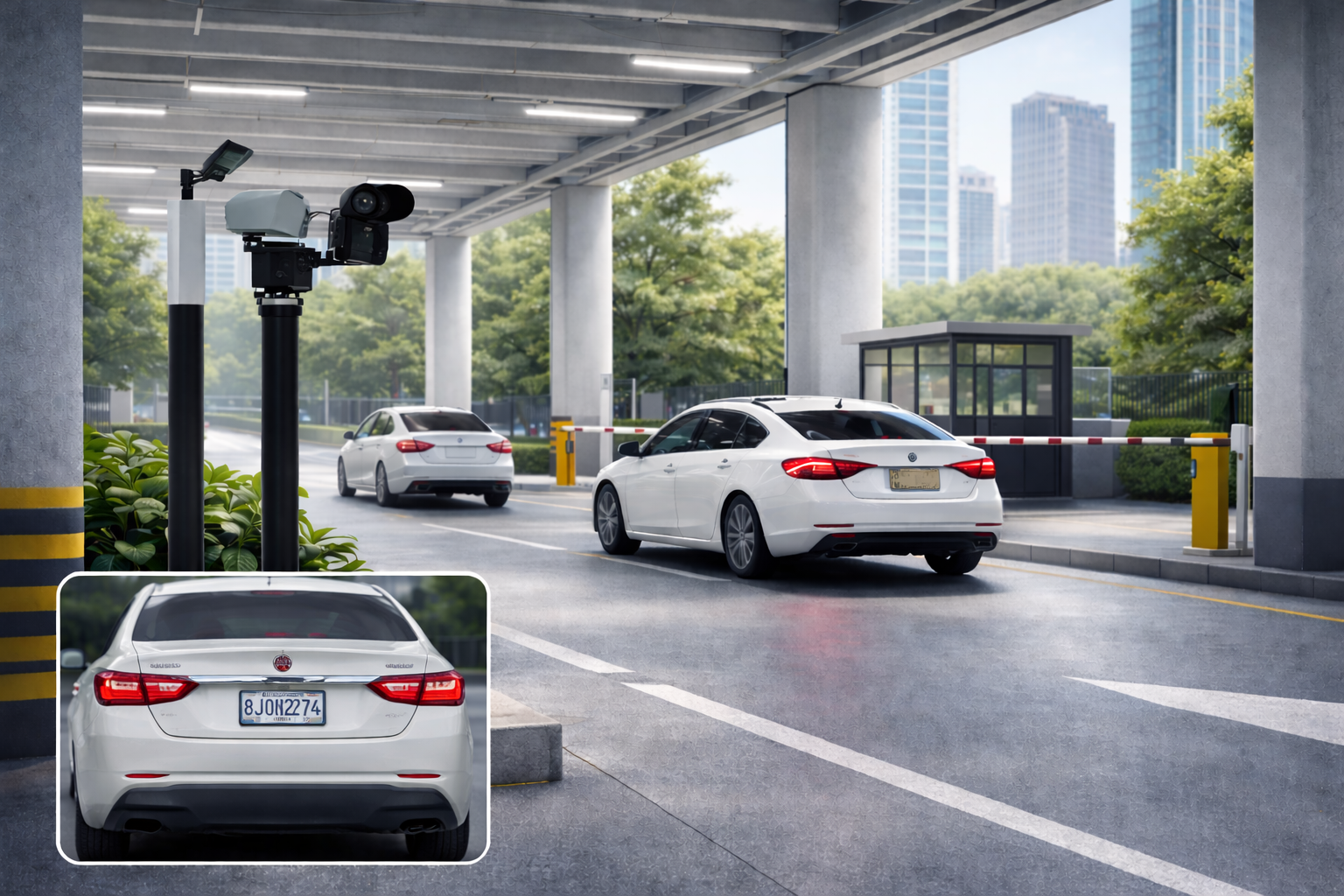
Today’s parking customers expect speed, simplicity, and flexibility. They want to arrive, park, and pay without friction—no tickets, no lines, no confusion.
For operators and facility owners, however, delivering that experience raises critical questions:
How do you go ticketless without sacrificing enforcement?
When does gateless make sense—and when doesn’t it?
How do you reduce hardware and labor costs while maintaining revenue control?
And how do you protect customers and your operation from QR code scams and fraud?
These are exactly the challenges explored in netPark’s upcoming live webinar: Designing a Customer-Centric Parking Experience—Without Losing Operational Control, taking place February 18, 2026 at 1:00 PM EST.
This session is grounded in real-world operator experience and practical deployments—not theory—and focuses on how modern parking ecosystems are evolving through mobile pay, License Plate Recognition (LPR), and flexible workflows.
The Shift Away from Tickets and Traditional Hardware
Across the industry, operators are moving toward non-traditional, non-ticketed parking systems designed around customer convenience and operational efficiency.
These include:
Mobile-pay-only environments with no physical hardware
LPR-based reservations for transient parkers
LPR monthly and loyalty programs replacing physical permits
LPR in / LPR out workflows, with or without gates
Hybrid models, such as LPR entry with kiosk, cashier, or express-lane exit
The common thread? Flexibility. Cameras—not tickets—become the foundation, enabling operators to design workflows that fit each location’s needs.
That flexibility allows operators to:
Reduce labor costs
Minimize equipment maintenance
Adapt operations without ripping out infrastructure
Maintain a staffed presence where required
Gateless vs. Gated: What Operators Must Consider
Gateless parking can significantly improve throughput and customer satisfaction—but it isn’t universal.
Key considerations include:
Enforcement maturity and operational discipline
Local and state regulations around license plate data usage (including restrictions in states like Arkansas, Idaho, Virginia, and others)
Traffic patterns and facility layout
Customer demographics and payment behaviors
LPR technology continues to improve, but it doesn’t work everywhere equally. Successful deployments start with realistic expectations and strong enforcement processes.
Enforcement Is Not Optional—It’s Foundational

One of the most common misconceptions about frictionless parking is that enforcement becomes less important. In reality, it becomes more important than ever.
Modern enforcement relies on:
LPR integrations across entry, exit, and stall-level coverage
Mobile, vehicle-based, and fixed cameras
Real-time payment and permit validation
Automated and manual citation workflows
Without enforcement, mobile pay fails. With the right enforcement strategy, operators unlock:
Higher compliance
Reduced revenue leakage
Fewer customer disputes
Scalable operations across multiple sites
LPR Is More Than Entry and Exit
Today’s LPR platforms go well beyond timestamps.
Advanced capabilities include:
Plate exclusion lists (VIPs, staff, service vehicles)
Monthly and permit integration
Loyalty programs tied to vehicle recognition
AI-powered attributes, such as EV detection, make/model recognition, and passenger count
Priority or premium spaces, enabling upcharges for EV, carpool, or preferred parking
These features allow operators to align pricing, access, and customer experience in ways traditional systems never could.
Proactive Defense: Protecting Customers and Revenue
As mobile pay adoption increases, so do fraud risks.
Operators must actively defend against:
Carding attacks using stolen card numbers
Fraudulent third-party signage
Best practices include:
Secure, dynamic QR codes
Clear, consistent signage
Text-based payment options
Two-factor validation using plate + phone
Proactive monitoring to block repeated failed payment attempts
Security is no longer optional—it’s part of the customer experience.
Customer Experience Still Matters—After the Transaction
A truly customer-centric parking environment doesn’t end at payment.
Operators must consider:
Customer surveys and reputation management
Clear communication and support channels
Loyalty programs that reward compliance and repeat use
Transparent citation processes that reduce friction and disputes
The goal is not just faster parking—but better relationships with customers.
Transitioning from Tickets to Electronic Parking
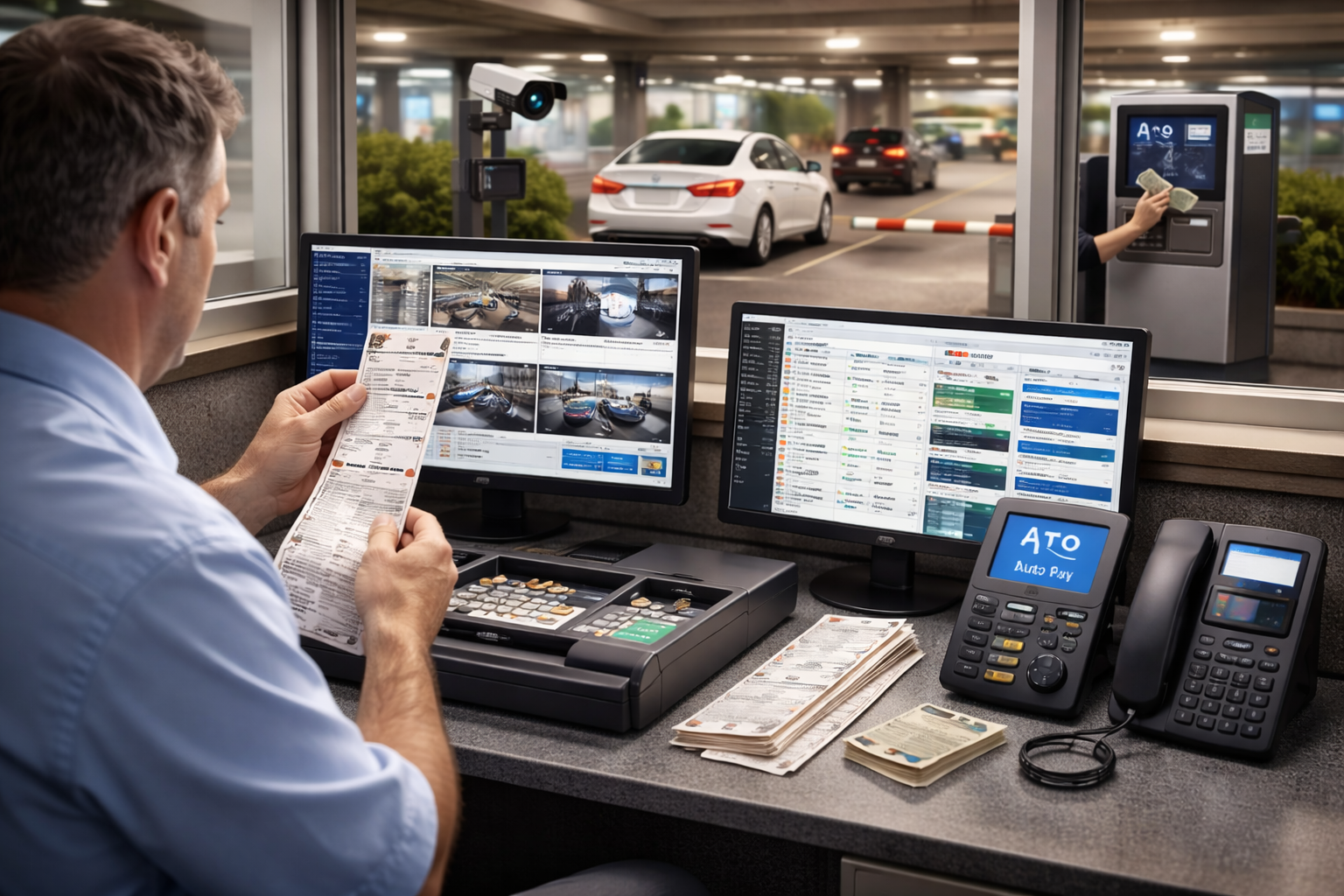
Moving from traditional ticketed systems to electronic parking is a journey.
Key realities include:
Some locations still require cash acceptance (including jurisdictions like Washington, DC)
Fewer intercoms, but stronger mobile and cellular support
Phased transitions that maintain operational continuity
Technology should simplify operations—not overwhelm them.
Join the Conversation: Live Webinar Polling & Discussion
During the live session, we’ll engage attendees with real-time polling, including:
Have you experienced fraud when converting to a gateless solution?
Yes
No
How did customers adapt to frictionless parking?
Very easily
As expected
More difficult than expected
What challenges have you faced when converting to a frictionless model?
Open discussion
Webinar Details
📅 Date: February 18, 2026
⏰ Time: 1:00 PM EST
⏱ Duration: 45 minutes + live Q&A
Hosted by netPark, this webinar delivers practical insights built from decades of real-world parking operations—no hype, no guesswork.
👉 Reserve your spot today and learn how to design a customer-centric parking experience without losing operational control.