
QR Code Parking Scams Are Rising: What Parking Operators and Parkers Need to Know
QR codes have become a convenient and widely adopted way for parkers to pay for parking—fast, contactless, and mobile-friendly. As usage has increased across garages, surface lots, campuses, and event venues, QR code–based parking scams have also become more common.
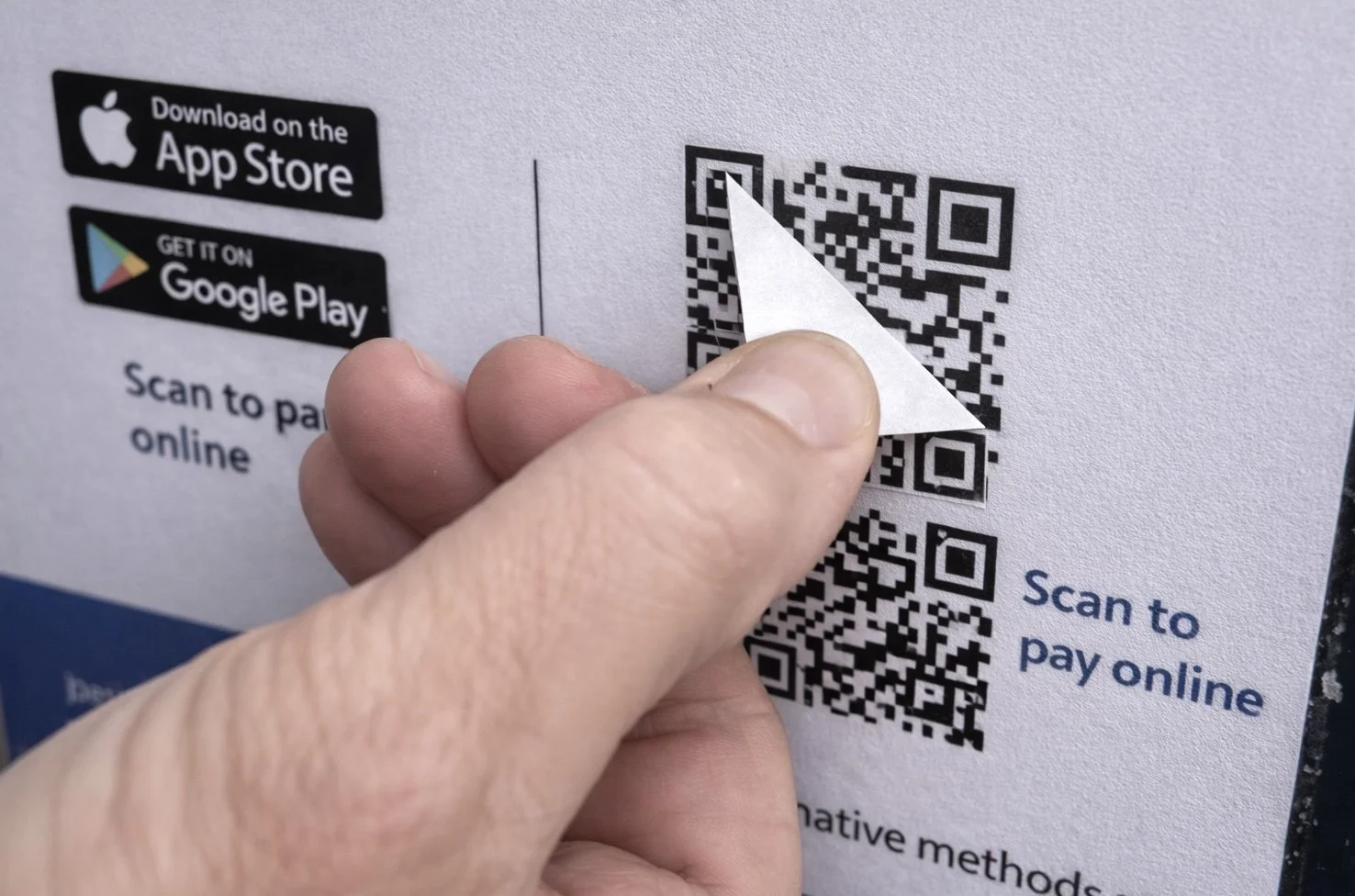
These incidents are not the result of failed parking technology. Instead, they are driven by physical signage tampering and brand impersonation, creating confusion for parkers and additional operational burden for parking operators.
Understanding how these scams work—and how to proactively reduce risk—is now an important part of modern parking operations.
Importantly, this trend is not isolated to parking. Federal agencies and national news outlets have publicly warned that QR code–based scams have been increasing across multiple industries in recent years. The Federal Bureau of Investigation has issued alerts about malicious QR code scams, and major media organizations such as ABC News and NBC News have reported on the growing use of QR codes in payment fraud—including recent warnings involving fraudulent QR codes placed on packages and public signage. Understanding how these scams work—and how to proactively reduce risk—is now an important part of modern parking operations.
How QR Code Parking Scams Typically Work
Most QR code parking scams follow a similar pattern:
A bad actor places a fraudulent QR code sticker over or near legitimate parking signage.
The QR code directs parkers to a look-alike payment page designed to appear like an official parking checkout.
Payments are collected through unauthorized third-party payment pages that are not affiliated with the parking operator or technology provider.
When parkers later notice unexpected charges, they search the name shown on the payment page and contact that company—often one that had no involvement in the transaction.
In many cases, both the parking operator and the referenced technology provider are victims of impersonation.
Why Parking Facilities Are a Common Target
Parking environments present unique opportunities for fraud due to:
High transaction volume
Public, unattended signage
Minimal on-site staffing
Parkers under time pressure
These conditions make parking facilities an attractive target for bad actors, regardless of location, operator size, or technology platform. QR code fraud is an industry-wide challenge, not an isolated issue.
Best Practices for Parking Operators to Reduce Risk
While no operator can eliminate risk entirely, the following steps significantly reduce exposure:
Inspect payment signage regularly for stickers, overlays, or altered QR codes
Use branded, tamper-evident signage rather than generic QR labels
Clearly communicate official payment methods on every sign
Post warnings if QR codes are not used at a facility
Leverage video surveillance around signage and payment areas
Train staff and contractors to report suspicious signage immediately
Consistent inspections and clear communication are often the most effective deterrents.
What Parkers Should Know (and What Operators Can Share)
Educating parkers helps reduce confusion, prevent fraud, and limit downstream support inquiries. Operators are encouraged to share the following guidance with customers:
Tips for Parkers Paying with QR Codes
Avoid scanning QR codes placed on stickers or loose decals
Verify the website URL before entering payment details
Look for clear operator branding and facility information
If something seems suspicious, use an alternate payment method
Report questionable signage to the parking operator immediately
Dispute fraudulent charges directly with your bank or card issuer
Clear parker education can dramatically reduce the impact of these incidents.
What To Do If Fraud Is Discovered at Your Facility
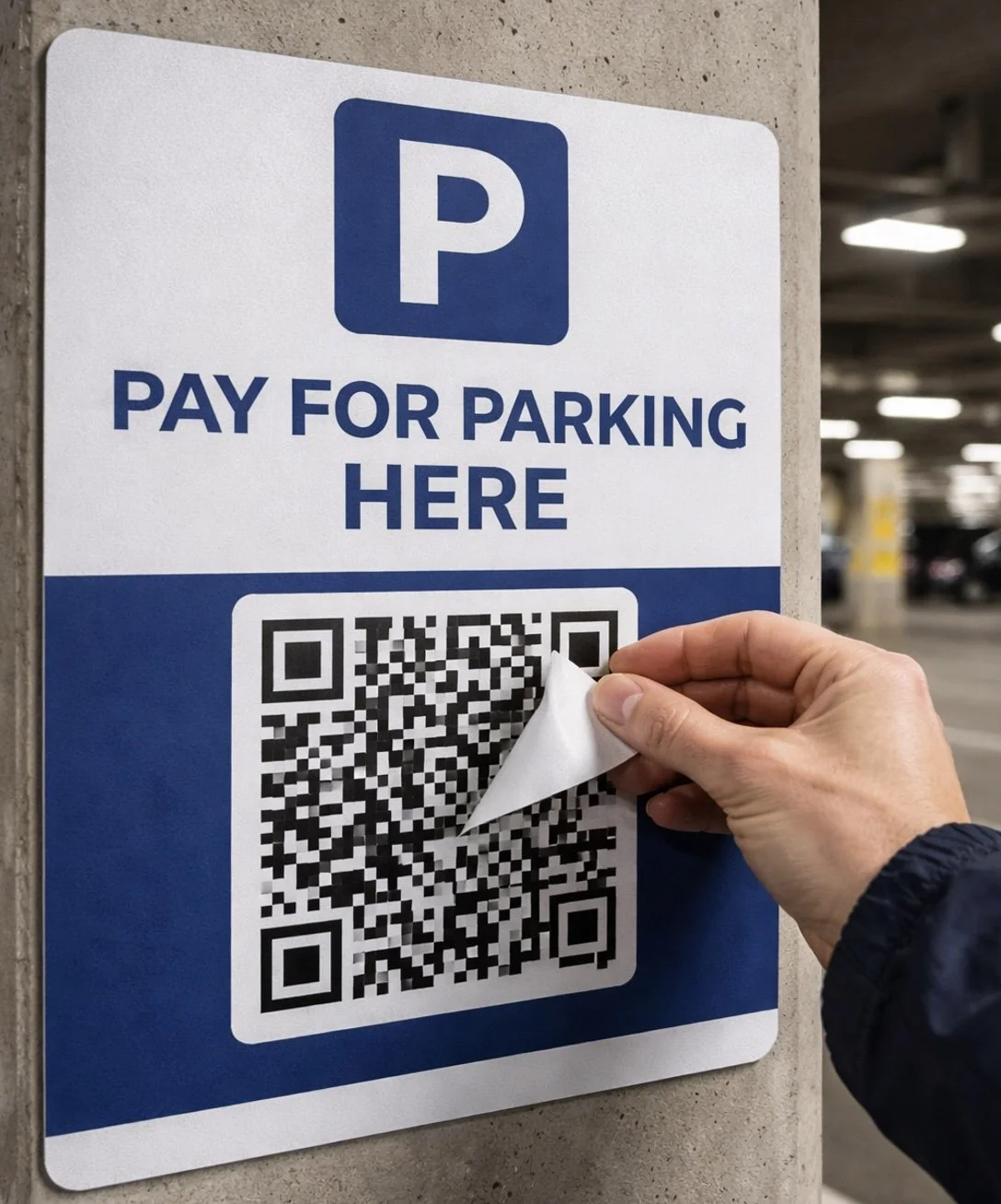
If a fraudulent QR code is found:
Remove the signage immediately
Document the incident with photos, timestamps, and location details
Notify appropriate internal teams and payment partners
Advise affected parkers to dispute charges with their bank
Review inspection and signage procedures to prevent recurrence
Prompt action helps protect revenue, customer trust, and brand reputation.
Frequently Asked Questions
Is QR code parking unsafe?
No. QR code parking itself is safe when properly managed. Fraud typically occurs due to physical signage tampering—not because of a failure in parking technology.
Can parking software prevent QR code scams entirely?
No single system can fully prevent physical signage manipulation. Effective prevention requires a combination of secure technology, routine site inspections, staff awareness, and clear communication with parkers.
Who is responsible for fraudulent charges?
Parkers should dispute fraudulent charges directly with their bank or card issuer. Parking operators and technology providers that were impersonated are typically not involved in the transaction.
What should operators do if their brand or facility is impersonated?
Operators should document the incident, remove fraudulent signage, notify relevant parties, and provide clear guidance to affected parkers. Consistent messaging helps limit confusion and reputational impact.
Technology Still Plays an Important Role
Modern parking platforms like netPark support branded payment experiences, centralized reporting, and clear operator attribution. While no software can prevent physical tampering on its own, well-branded and transparent digital experiences make fraud easier to detect and faster to address.
Taking a Proactive Approach to Parking Security
QR code fraud highlights the intersection of physical infrastructure, digital payments, and consumer trust within parking operations. Operators who take a proactive approach—combining secure technology, routine site checks, and clear parker education—are far better positioned to protect revenue and maintain confidence.
netPark works with parking operators to deliver secure, transparent parking experiences across single and multi-site portfolios. If you’re evaluating how to modernize operations while reducing risk and operational friction, now is the right time to take a closer look.