
LPR for Parking Garages: What Operators Should Look For
Parking Operations
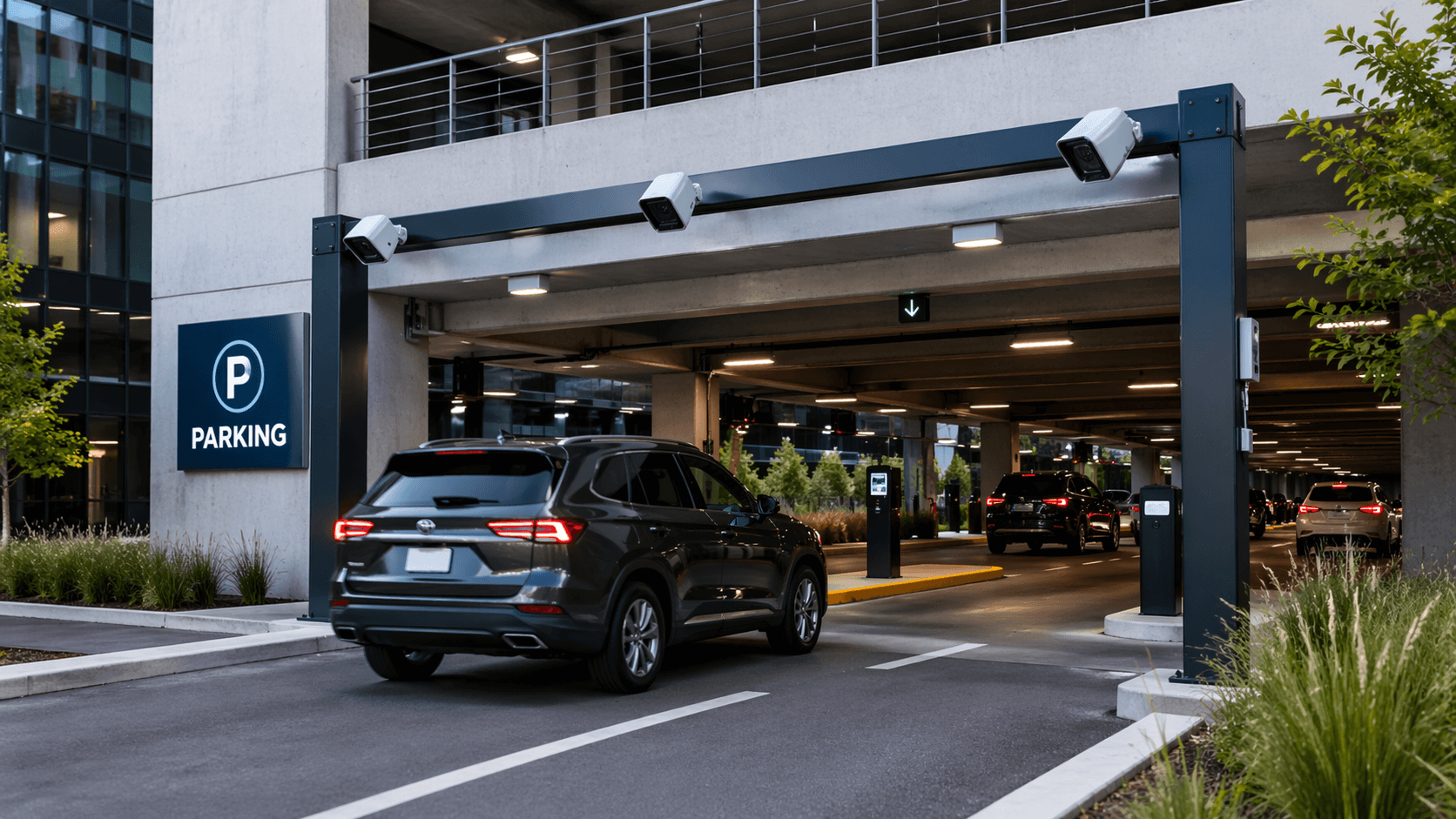
For garage owners, operators, and directors, the real question is not whether LPR sounds modern. The real question is whether it fits the workflow of the facility, supports real-world exceptions, and helps maintain operational control.
Start with workflow
Good decisions begin with how the facility actually operates, not with hardware or buzzwords.
Plan for exceptions
LPR should support real operating conditions, including validation issues, unreadable plates, and parker confusion.
Protect control
The best approach improves the parker experience without weakening enforcement, visibility, or oversight.
Parking operators are under pressure to do more than move vehicles in and out. They need to keep traffic moving, support validations and exceptions, protect revenue, and maintain operational control across the facility.
That is one reason license plate recognition, or LPR, continues to get so much attention. But for garage owners, operators, and directors, the real question is not whether LPR sounds modern. The real question is whether it fits the workflow of the facility.
That is where many evaluations go off track. LPR is sometimes discussed as though it is a one-size-fits-all answer. In practice, the right approach depends on the layout of the facility, the customer journey, the volume and speed of traffic, the role of validations, and what the operation is actually trying to accomplish.
Start with the workflow, not the hardware
Before evaluating LPR, operators should start with a few practical questions.
What kind of parker experience are you trying to create? Where do delays or confusion happen today? How important are validations to this facility? What happens during peak ingress and peak exit times? Are you primarily trying to improve revenue collection, access control, or both?
Those questions matter because the best parking technology decisions are not made by chasing a trend. They are made by matching the system to the way the facility actually operates.
Not every garage needs the same model
One of the most useful ways to think about LPR is as part of a broader operating model, not just as a feature.
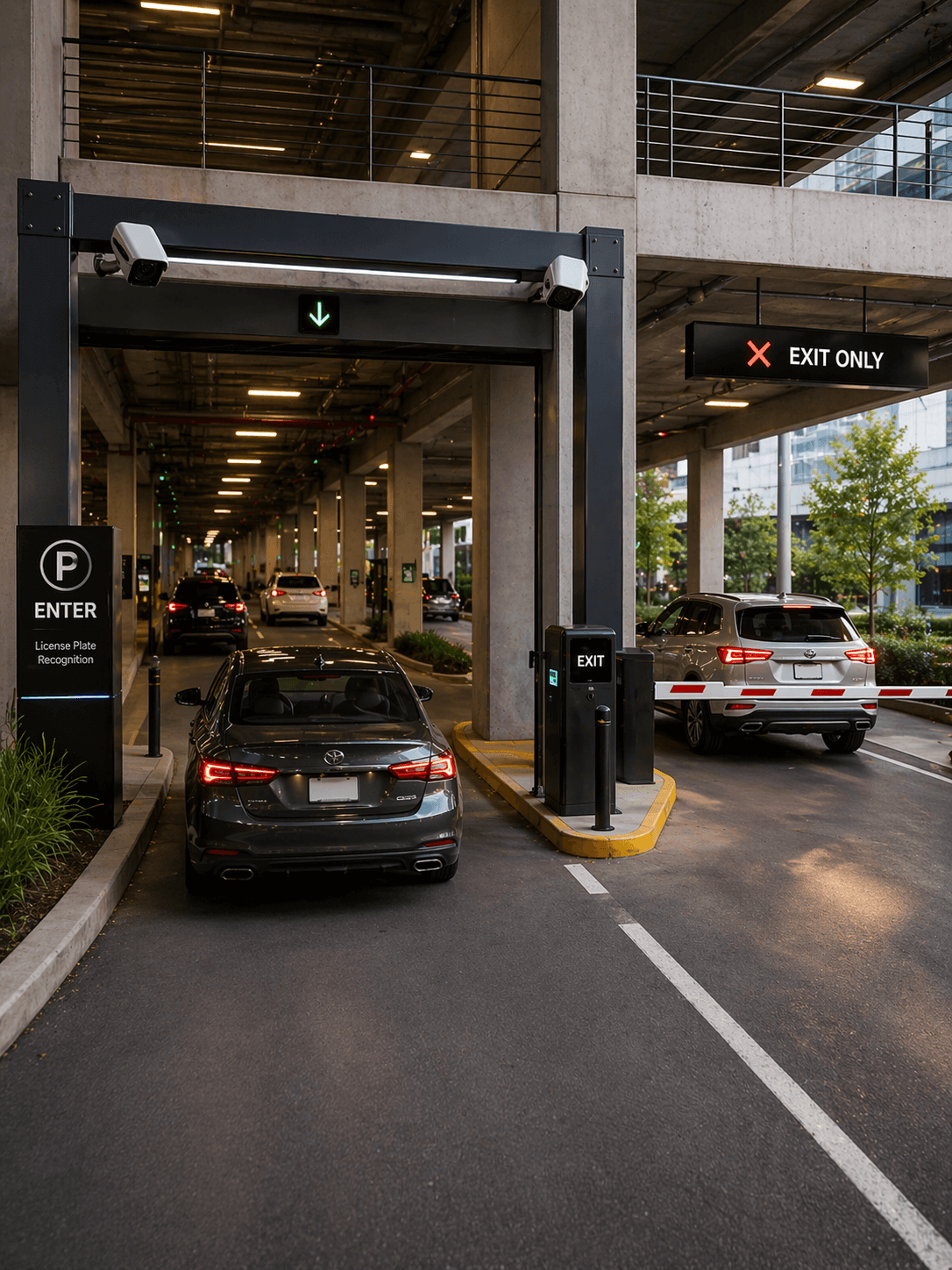
In some garages, a more ticketless or gateless approach may support a faster, more convenient parker experience. In others, a traditional gated model may still make more sense. In many cases, a hybrid approach is the better fit.
That is especially true when validations are involved. If a parker enters a facility and receives a validation inside a business, medical office, or other destination, the operation has to think carefully about how that workflow should work. Requiring too much at entry can create friction. Removing too much structure can create confusion or weaken operational control.
The better question is not whether gated or gateless is more modern. The better question is which model best supports the real customer journey and the real business rules of the garage.
The best LPR strategy is the one that fits the operation — not the one that simply removes the most friction on paper.
Know whether you are solving for access control or revenue collection
This is one of the most important distinctions for decision makers.
If the primary goal is revenue collection, LPR can be a very strong part of the solution. It can help identify vehicles, support ticketless workflows, and connect parking sessions to validations and other rules.
If the primary goal is strict access control, the analysis should be more careful. LPR is very good at recognizing that a vehicle has entered or exited. That does not automatically make it the right answer for every environment where the main concern is physically controlling who gets in and who stays out.
That distinction helps keep the buying conversation focused on operational fit rather than broad promises.
What useful LPR should help a garage do
For the right garage environment, LPR can support several meaningful operational improvements.
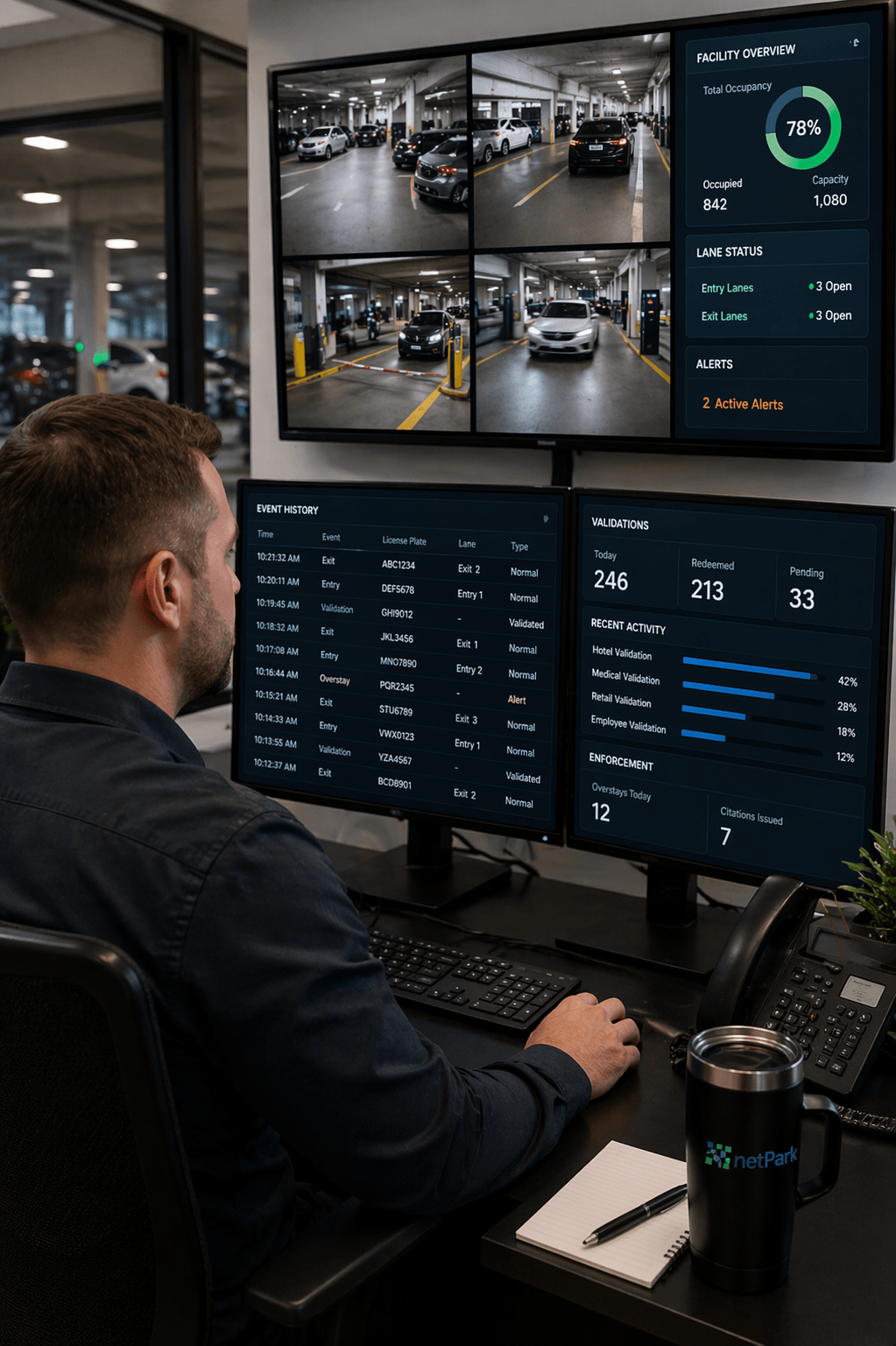
It can reduce reliance on physical tickets or cards by allowing the plate to serve as a credential. It can support faster entry and exit by reducing steps in the lane. It can help match vehicles against validations, reservations, and account rules. It can also create a stronger event history to support audits, investigations, and customer disputes.
Just as important, it can improve enforcement visibility by helping operators identify overstays, unauthorized parkers, and repeat issues with more reliable, time-stamped data.
For decision makers, that combination matters more than any single feature. The value is not just lane speed. It is the ability to modernize access while maintaining operational clarity.
Plan for exceptions, not just ideal conditions
This is where serious evaluations become more useful.
In a demo, most systems look clean. In live operations, there are always exceptions. Plates can be difficult to read because of dirt, snow, glare, poor positioning, or simple user error. A parker may enter the wrong plate. A validation may not be applied the way the operation expected. A customer may still need help in a lower-touch environment.
That does not reduce the value of LPR. It simply means the system has to do more than perform well under ideal conditions.
A strong LPR approach should help the operation manage exceptions without creating chaos for staff or dead ends for parkers. That includes the software experience, the payment flow, the fallback paths, and the operational process around them.
Hybrid workflows are often the practical answer
Some operators assume LPR has to replace every other credential or workflow immediately. In practice, that is often unnecessary.
Many garage environments benefit from a hybrid approach where LPR plays a primary role, but the operation still keeps other methods available for validations, exceptions, special user groups, or exit control. That may mean combining plate recognition with tickets, cards, RFID, barcodes, or gated exit processes, depending on the environment.
The best implementation is not always the one that removes the most infrastructure. It is the one that fits the operation best.
Enforcement still matters in a lower-friction environment
A smoother parker experience should not come at the expense of operational control.
In more ticketless or lower-friction environments, enforcement often becomes more important, not less. Without a clear plan for compliance and exception handling, operators can end up with avoidable revenue leakage, more confusion, and more pressure on staff.
That does not mean enforcement should feel heavy-handed. The strongest operations think about enforcement in a way that protects revenue while still feeling fair, understandable, and defensible. In practice, that usually means clear policies, visible signage, reasonable time for parkers to complete registration or payment, and a process that feels transparent rather than arbitrary.
Customer clarity still matters after the vehicle enters
A good parking operation is not defined only by how someone gets in. It is also defined by what happens when something goes wrong.
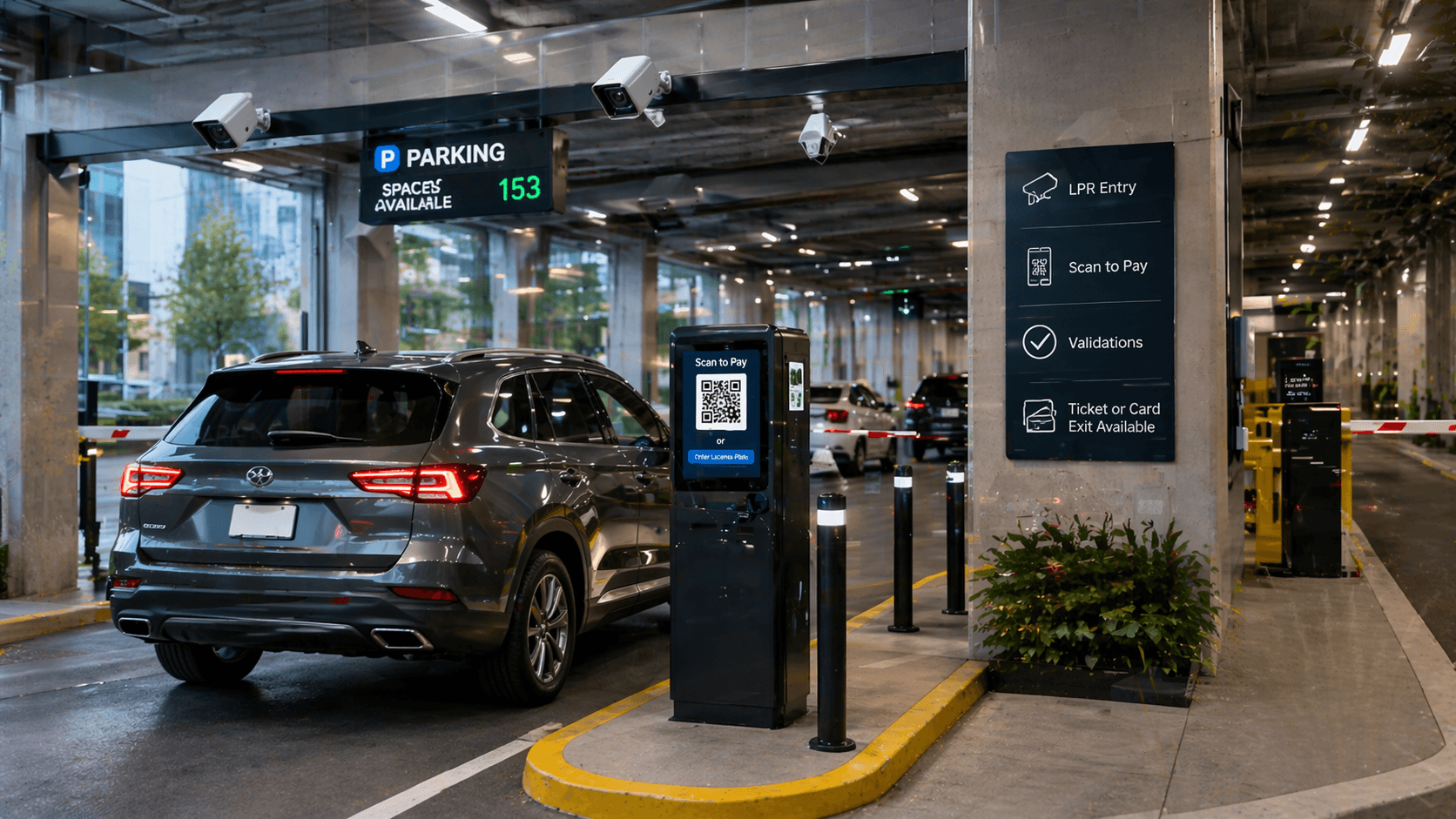
If a parker is confused, needs help, or encounters an exception, the operation still needs a clear path to resolution. That may include better signage, simpler instructions, support options, or workflows designed to reduce confusion before it starts.
This is one reason user experience matters so much in LPR-driven parking. It is not enough for the technology to work in theory. The process has to be intuitive enough for real customers in real conditions.
Privacy and oversight belong in the evaluation
Any system that relies on vehicle recognition should also be evaluated with privacy and data governance in mind.
Operators should understand how access to plate data is controlled, how event history can support audits or investigations, and how retention settings align with the needs of the organization. That is especially important in environments where accountability, internal policy, or public trust matter.
A strong system should support both operational visibility and responsible oversight.
A practical checklist for garage decision makers
If you are evaluating LPR for a parking garage, these are some of the most useful questions to ask:
- Does this fit the actual workflow of our facility?
- Are we solving for revenue collection, access control, or both?
- How will validations be handled in real use?
- What happens when a plate is not read correctly?
- Can the system support hybrid workflows if we need them?
- What visibility will we have into enforcement and exception handling?
- How will this support audits, disputes, and event history?
- What support will parkers have if they get confused?
- How does the system handle privacy, oversight, and data access?
- Can this be implemented in a way that fits our operation without unnecessary disruption?
Conclusion
LPR can be a strong tool for modernizing parking operations. It can help reduce friction, improve visibility, support validations, and strengthen operational oversight.
But the strongest results usually come when operators start with the workflow, not the buzzwords.
For parking garage owners, operators, and directors, that means evaluating LPR as part of a larger operational decision: how to improve the parker experience, protect revenue, handle exceptions, and maintain control without making the operation harder to run.
That is the standard that matters.
Ready to Evaluate LPR?
Look at the operational side of the decision.
If you are evaluating LPR for a parking garage, netPark can help you look at the operational side of the decision, from workflow design and validations to enforcement visibility, event history, hybrid options, and day-to-day manageability.